
Ever wondered how giant, multi-ton metal-like monster rolls of aluminum foil, plastic wrap, or baking paper fresh off the factory floor end up in those neat, perfectly sized little boxes in your kitchen drawer?
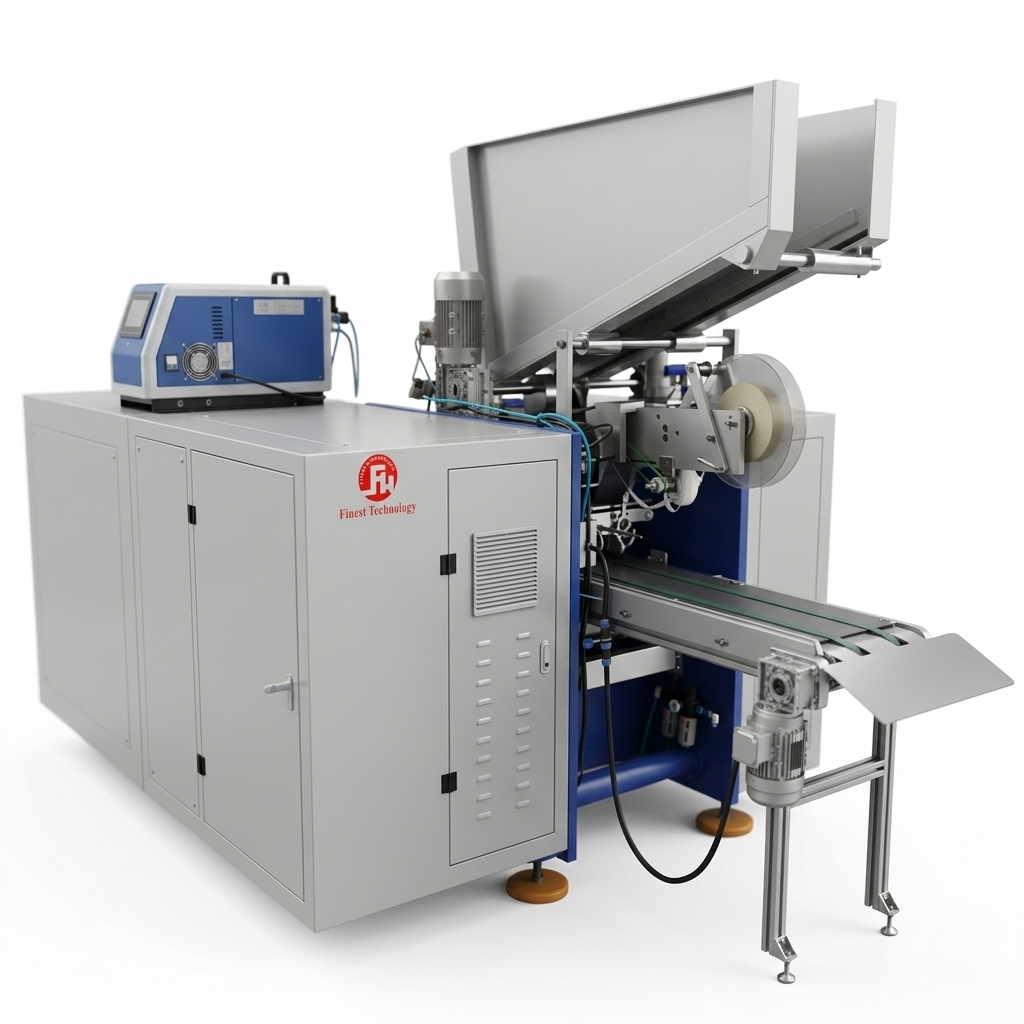
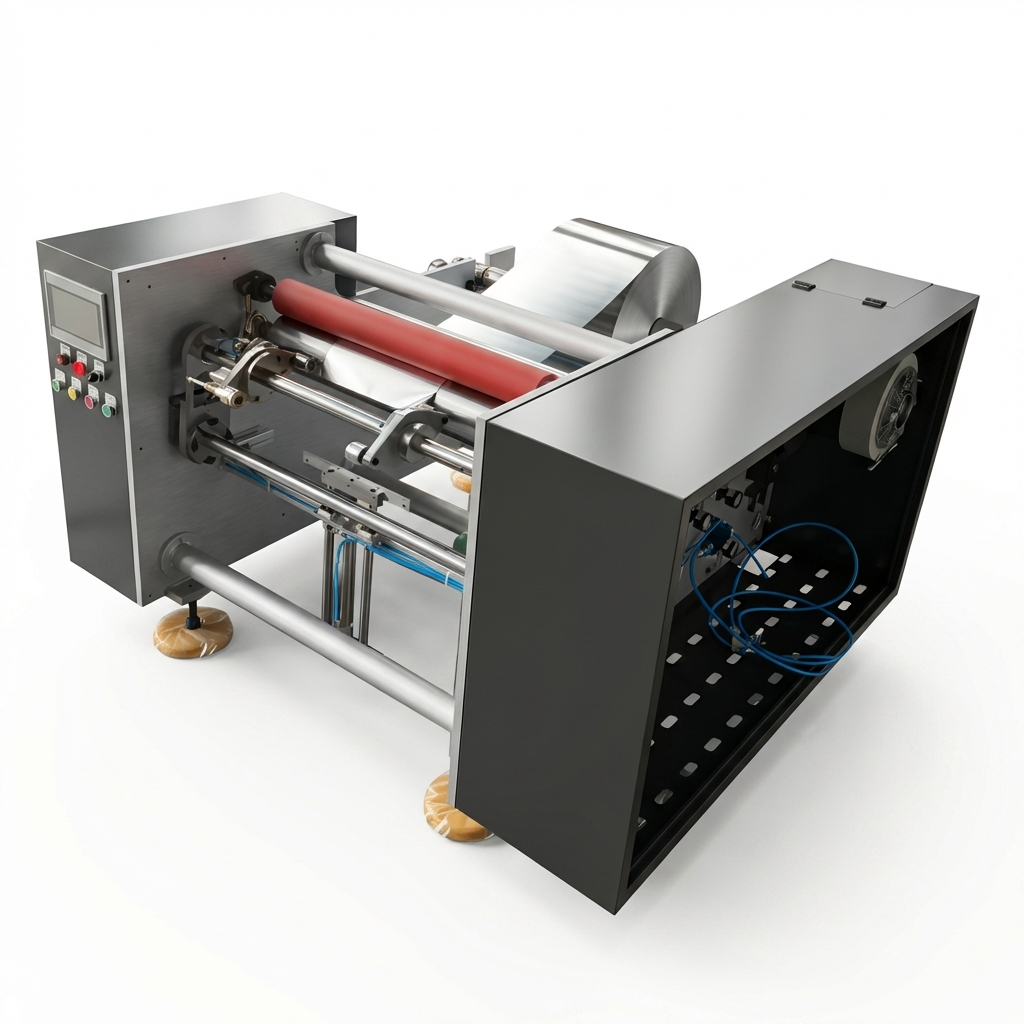
Well, they don’t just shrink on their own. That’s where a rewinding machine (or just “rewinder”) comes in. Its core job is pretty straightforward but incredibly precise: it takes those massive, unwieldy master rolls and spins them down into clean, tightly wound, ready-to-sell smaller rolls.
Let’s break down where these machines actually run 24/7, and what you need to keep in mind so you don’t buy a machine that ends up collecting dust.
Where Do These Machines Actually Get Put to Work?
You’ll find rewinders humming away in a few major spots behind the scenes:
1. Everyday Food Packaging
This is the big one. Think of the foil, cling film, and parchment paper in your kitchen. These products get yanked, pulled, and tossed around by hungry customers daily. If the roll isn’t wound with the exact right tension, it’ll snag, tear, or refuse to come out. A solid rewinder makes sure the roll behaves itself when a customer tries to wrap up leftovers.
2. Supermarket House Brands
Walk down any grocery aisle and you’ll see store-brand foils and wraps sitting next to name brands. Consumers are picky—if a roll feels floppy, looks messy on the edges, or tears unevenly, they won’t buy it again. That means the quality of the wind directly dictates how expensive the product looks on the shelf.
3. Foodservice and Catering
Commercial kitchens, hotels, and bakeries go through foil and wrap like water. They don’t buy those tiny little boxes; they need giant, heavy-duty commercial rolls. Rewinders built for this sector have to produce rolls that are tough, clean, and ready to survive the chaos of a fast-paced kitchen.
4. Industrial Packaging & Protection
It’s not just about food. Plenty of factories need rolls of material for wrapping pallets, insulation, surface protection, or manufacturing support. In these setups, precision is everything. These smaller rolls are often fed directly into other automated packaging machines downstream. If the roll diameter is off by even a hair, it’ll jam the whole line.
A quick word of advice: Going cheap on a machine is usually a trap. If a budget machine causes material waste, constant jams, or sloppy rolls, those “savings” will evaporate in a week of downtime.
How to Choose the Right Machine (And Not Regret It)
If you’re shopping around for a rewinder, don’t just look at the price tag. Make sure you check off these five boxes first:
Know your material’s personality: Foil, plastic wrap, and baking paper don’t behave the same way. Foil is fragile and wrinkles if you look at it wrong. Plastic wrap stretches out of shape if you pull it too hard. Baking paper is stiff and loves to curl or fold. Your machine’s tension control system has to be smart enough to handle the specific grip and strength of your material.
Get your measurements down: Don’t guess here. You need to know the exact specs of your jumbo master rolls—maximum width, outer diameter, and core size—as well as the exact length and diameter of the finished rolls you want to sell.
Don’t fall for “high speed” hype: Sure, a fast machine sounds great on paper, but speed is completely useless if half of what it produces goes into the scrap bin. For smaller shops or tricky materials, a slower, highly stable machine is a much safer bet for your bank account.
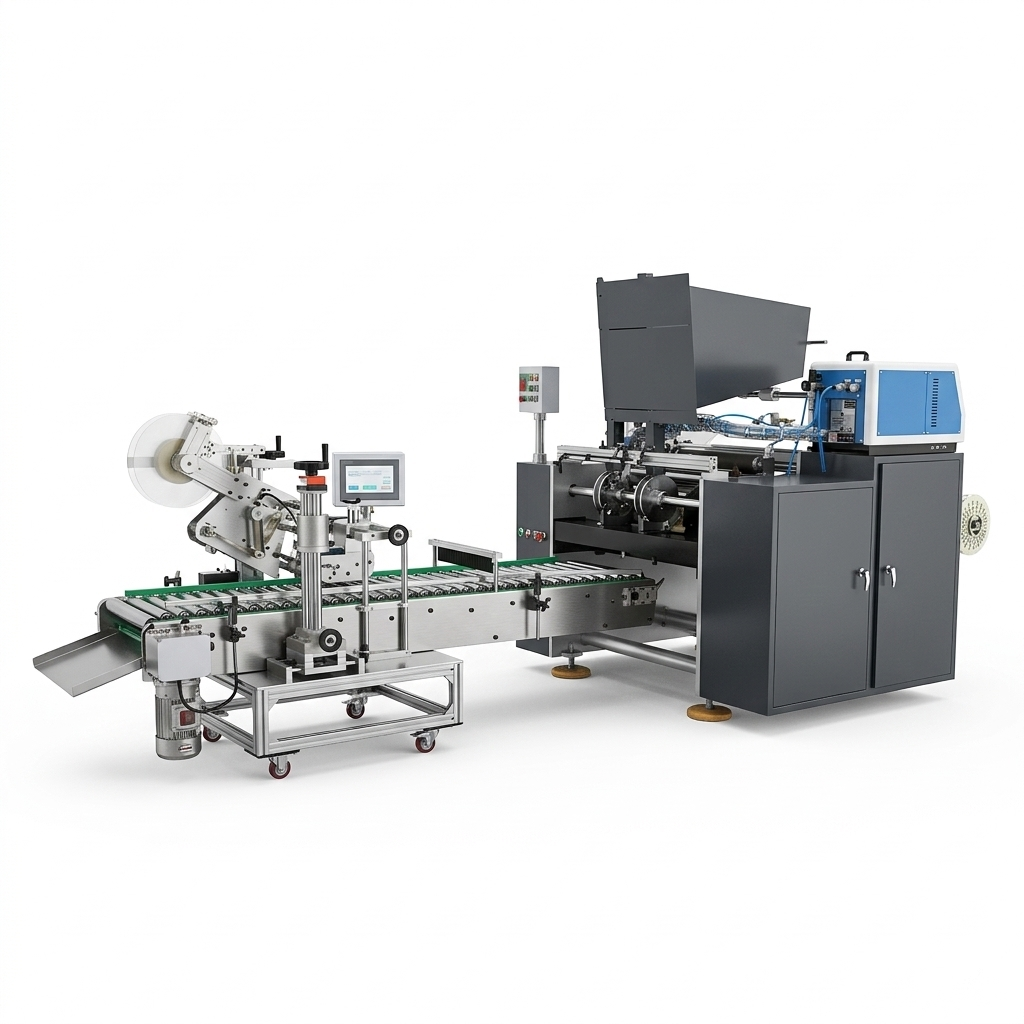
Get the right level of automation: If your shop does a bunch of small, custom orders where you’re constantly swapping specs, a semi-automatic machine is plenty and gives you more flexibility. But if you’re running the same product all day long and want to keep labor costs down, shell out the extra cash for a Think about where the rolls go next: Don’t build a bottleneck for future-you. If you plan on adding automatic cartoning, labeling, or shrink-wrapping down the line, make sure the rewinder you buy today can actually talk to those machines tomorrow.
Need a Reliable Setup? Here’s What Finest Does
If you’re looking for a partner who knows their stuff, Finest is a name you’ll run into. They build rewinders specifically for foil, film, baking paper, and flexible rolls. Their lineup ranges from basic foil and film rewinders to high-capacity multi-shaft machines and integrated slitter-rewinders. They basically focus on three things: keeping tension perfect, getting clean cuts, and making roll swaps smooth.
They also help you build out the rest of the floor. They make:
Aluminum foil container lines
Cartoning/boxing machines
Saw blade inserting machines (for those metal tear-strips on the boxes)
Shrink-wrapping equipment
They handle everything from custom software and mold making to technical consulting, installation, and fixing things when they break. They don’t have a specific OEM/ODM page on their site, but you can find all their technical solutions and contact info on their support and contact pages.
The Bottom Line
At the end of the day, a rewinding machine is what turns raw, giant master rolls into neat, consumer-friendly products. Get the tension right, keep the cuts clean, and choose the right level of automation, and you’ll save yourself a massive headache.
FAQs
Q: What does a rewinding machine actually do?
A: It takes giant rolls of raw material and rewinds them into the smaller, neater rolls you see in stores.
Q: Why does everyone talk about “tension control”?
A: Because if the tension is off, the roll is ruined. Too loose, and the roll feels like a soggy roll of toilet paper and falls apart. Too tight, and the material stretches, wrinkles, or snaps.
Q: Can it handle thin aluminum foil?
A: Yes, foil rewinding is super common, though it takes a very precise machine to avoid tearing the metal.
Q: Are these machines crazy expensive?
A: It depends on how fast it goes, how automated it is, and what sizes it handles. You can get simple, manual-heavy machines for cheap, or invest in a high-end, fully automatic line.
Q: What’s the difference between a standard rewinder and a slitter-rewinder?
A: A standard rewinder just resizes the length of the roll. A slitter-rewinder does that, but also has blades that slice the wide master roll vertically into multiple narrower rolls at the same time.