
Meta Description: Wondering what businesses use aluminum foil trays for? We walk through real‑world use cases for delivery takeaway, pre‑cooked ready meals and pet wet food, plus what to look for when sourcing containers or production machinery.
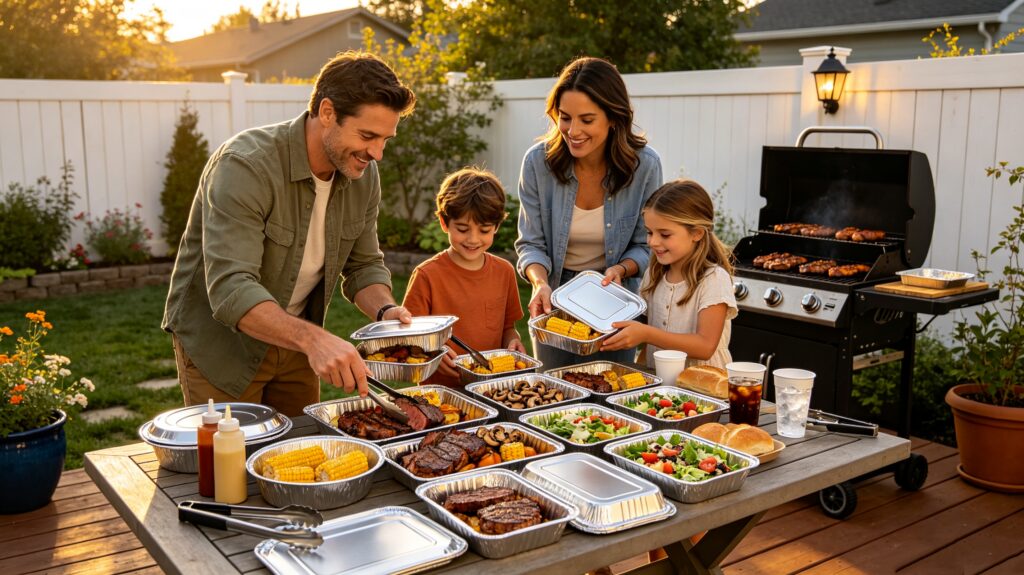
If you’ve only thought of aluminum foil containers as simple airline meal trays, you are missing how widely these trays are used today. Walk through wholesale markets, supermarket frozen aisles, or pet supply shops, and you will spot them everywhere.
We’ve worked with hundreds of clients building foil container production lines, and we see three markets consistently driving most orders: food delivery takeaway, retail ready‑to‑eat meals, and the fast‑expanding pet food segment. Each market has its own practical requirements for tray size, rigidity, and sealing. Let’s break them down.
Ⅰ.Takeaway & Food Delivery: Stop sauce leaks and lukewarm meals
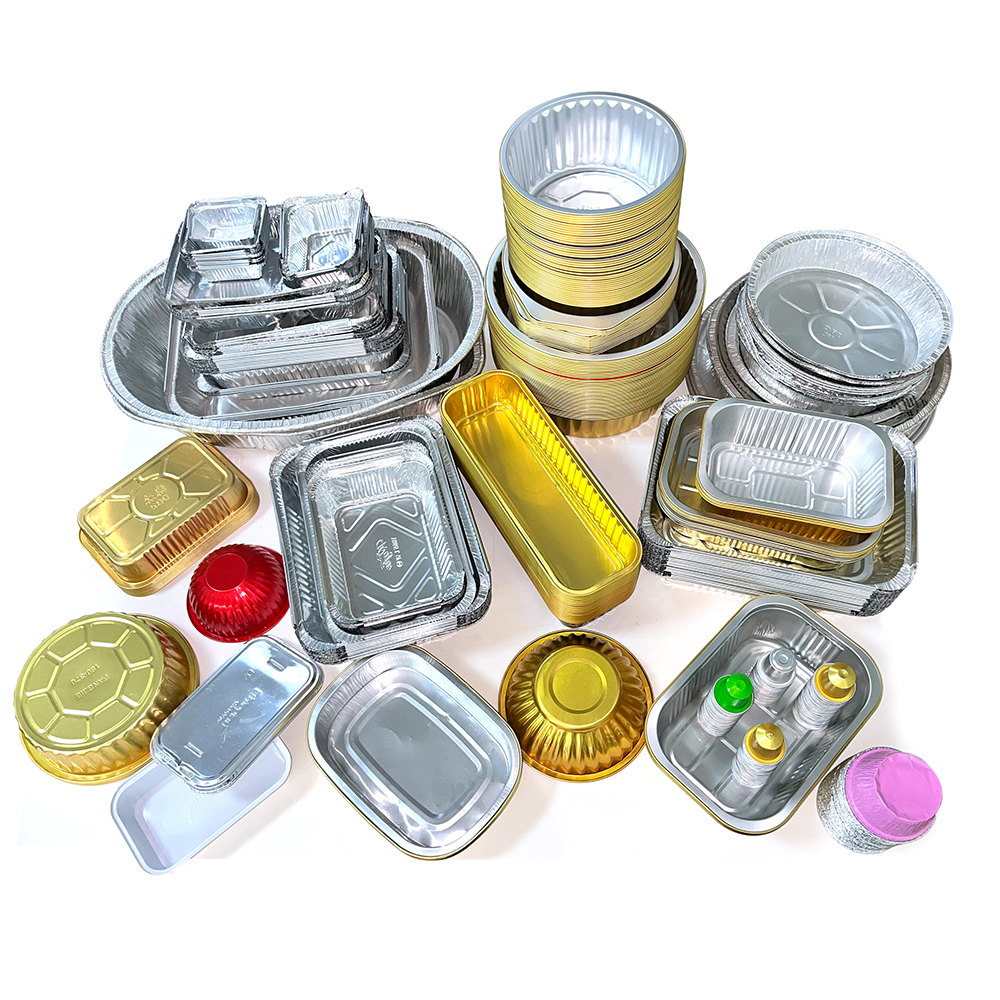
Restaurants, cloud kitchens, and delivery platforms are the biggest buyers of aluminum foil trays. Anyone running delivery knows the common headaches: plastic boxes warp with hot oily curries, paper trays soak through with soup, and food turns cold before it reaches customers.
Foil containers fix many of these day‑to‑day pain points. They hold up well with high‑temperature oily food and do not melt or go soft. With matching lids, they cut down on leaking sauce during bike or car delivery. Food stays warmer longer on the ride to the customer.
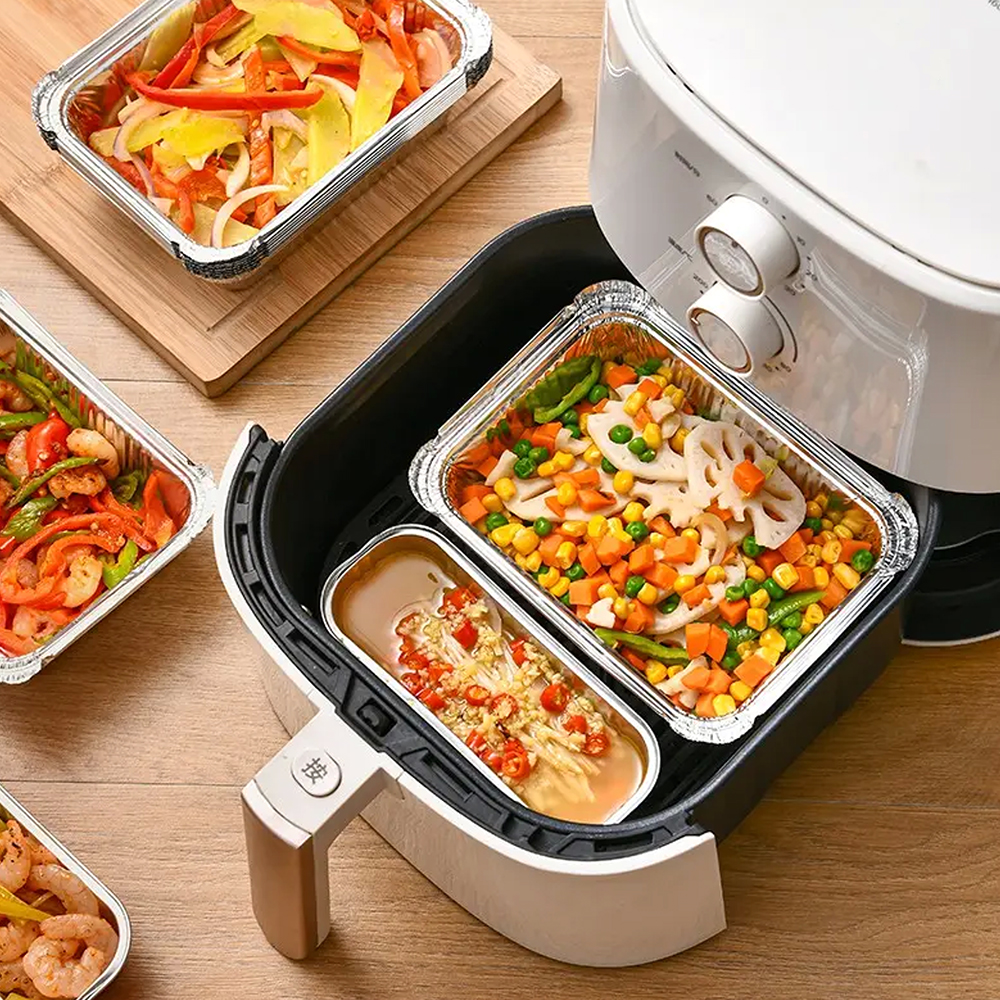
One big plus for end‑users: these trays can go straight into the oven or air‑fryer. If the customer does not finish their order, they can reheat leftovers without moving food to another dish.
Not every foil tray works equally well for delivery, though. Thin low‑grade trays bend easily when filled with heavy pasta or stews. Many of our customers opt for sturdier trays, made with good moulds on high‑tonnage presses. Multi‑compartment trays are also popular for mixed rice meals, separating meat, sides and sauce in one container.
Ⅱ. Ready‑Meal / Pre‑cooked Food: Freeze, store, reheat, sell
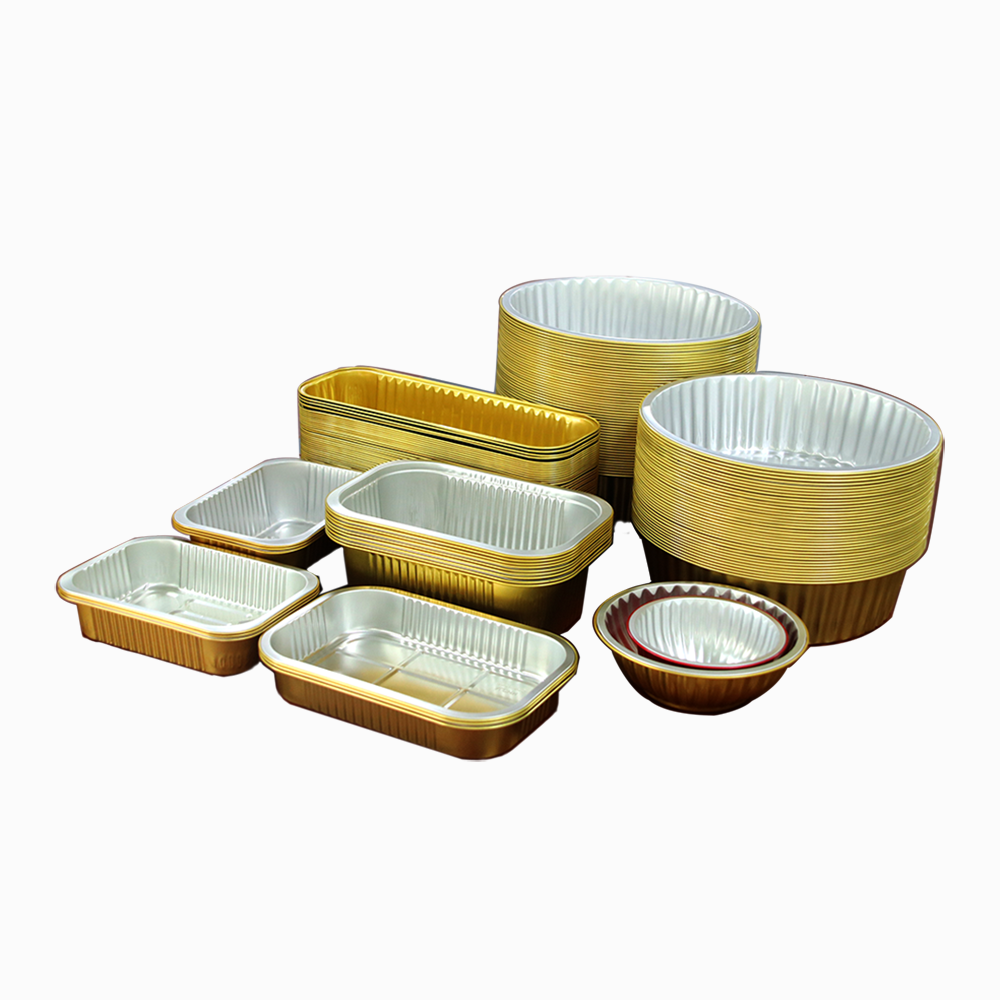
Ready‑made pre‑cooked meals keep gaining shelf space in supermarkets all over the world. Manufacturers need packaging that can go through freezing, cold storage, transport and oven reheating, all in the same tray. That is exactly where aluminum foil performs.
The foil creates a strong barrier against light and oxygen, slowing spoilage and extending shelf‑life for pre‑cooked dishes. Factories fill food into trays, heat‑seal lids on top, then freeze or pasteurise the whole pack. Retail customers buy it off the shelf, pop it into the oven, and eat directly from the tray. No extra dishes needed.
Meal producers care a lot about tray consistency. If trays warp during sealing or processing, whole batches get rejected. That explains why many serious ready‑meal producers pay attention not only to buying finished trays, but also to mould quality if they run their own container production lines. Wrinkle‑free moulds deliver clean, uniform trays with minimal rejects for retail‑grade ready meals.
Ⅲ.Pet Food: One of the most under‑rated booming markets
This one surprises a lot of new factory owners. Wet pet food is a huge and fast‑growing market for aluminum foil containers.
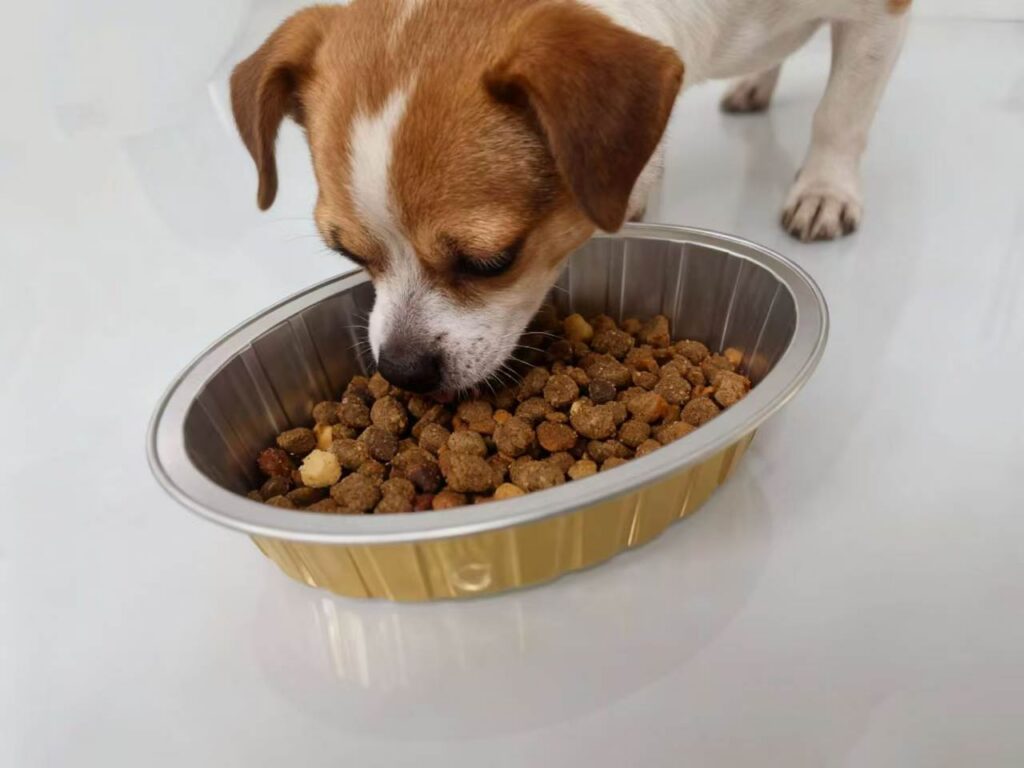
Traditional metal pet cans are heavy and expensive to ship. Foil trays are much lighter and stack neatly on pallets and retail shelves. Many pet brands now make single‑serve wet food portions in foil trays for dogs and cats.
Pet owners like the convenience: peel the sealed lid and serve, or you can even warm the whole tray in the oven. The foil barrier keeps wet meat and pâté fresh and stops fats from going rancid on store shelves.
Sizes vary widely. You will find small single‑serve 100‑200 ml trays for cats, and larger trays for big‑dog portions. Some customers also ask for custom shapes and printed surfaces for brand differentiation.
If you are setting up a foil container plant, do not sleep on this niche. Many of our clients add pet‑food‑sized moulds alongside standard takeaway trays, and it opens a whole new group of buyers.
Ⅳ. Other common real‑world applications
Beyond these three main markets, foil containers turn up in lots of other places: airline catering, outdoor catering and events, bakery roasting, hospital institutional meals. Different jobs call for different depth, cavity count, and wall thickness.
What does this mean if you are buying machinery to make these trays?
Different end‑uses demand different container specs:
– Takeaway delivery: need rigid, anti‑bend trays, often multi‑compartment options
– Ready meals: require stable, wrinkle‑free trays suitable for heat‑sealing lids
– Pet food: small‑to‑medium single‑portion sizes, tight dimensional tolerance for sealing film
You cannot just run one single mould size and cover every market. Most successful operators build a set of moulds for their top target segments. Our AF‑series container making lines support quick mould swaps, so plant owners can switch between takeaway, ready‑meal and pet‑food batches without massive downtime.
Ⅴ.Wrap‑up
Aluminum foil containers are far more than disposable airline boxes. Delivery restaurants rely on them to cut customer complaints. Ready‑meal brands depend on them for shelf‑stable retail products. And pet food is a fast‑growing niche many new producers overlook.
If you are planning to start or expand a foil container production business, start with your target market first. Work out what products you will supply, then match your machine and mould setup accordingly. If you want to talk through line configuration or mould options for takeaway, ready‑meal, or pet‑food trays, feel free to get in touch with our engineering team for practical suggestions.